
Moments of Connection
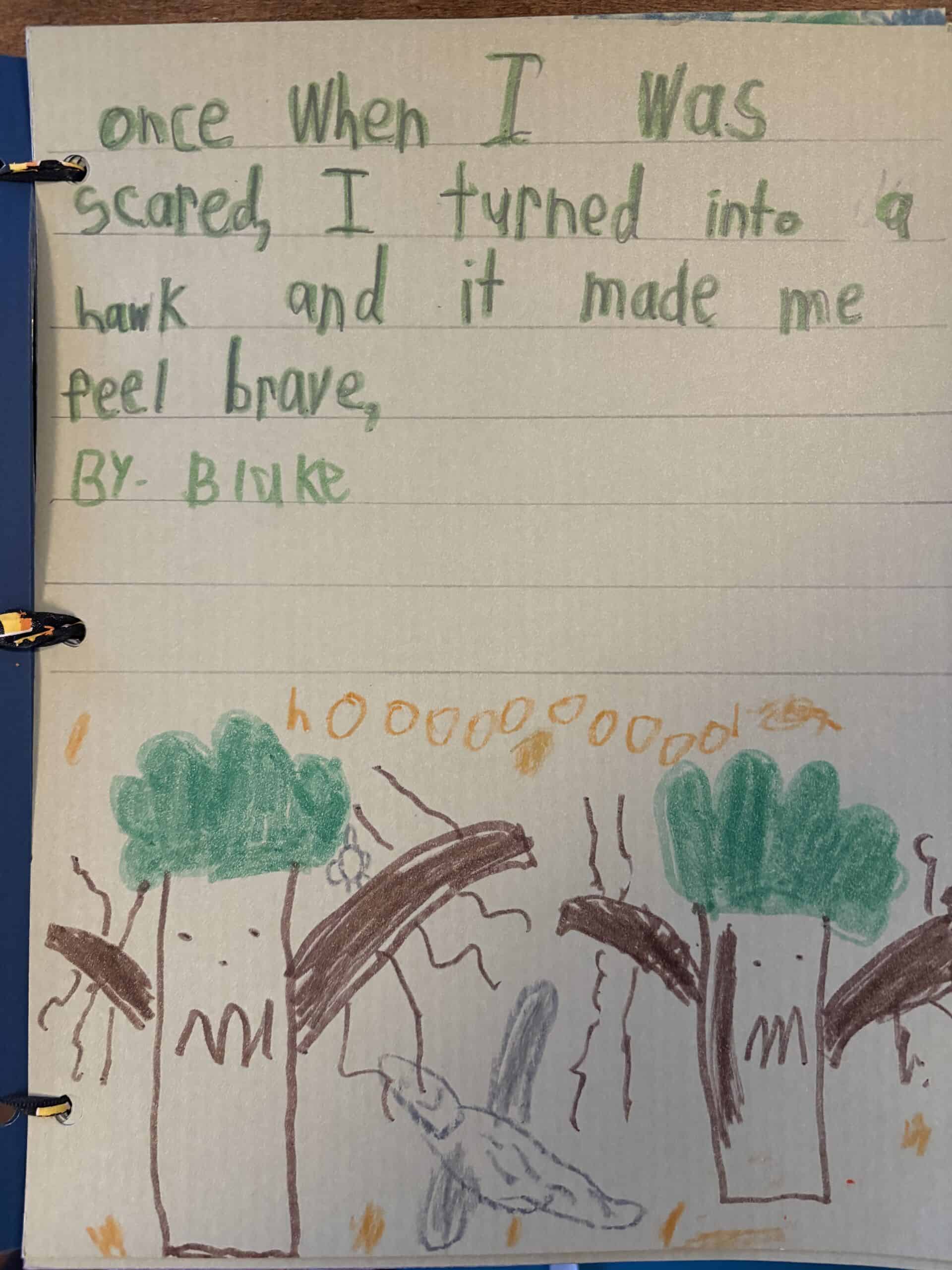
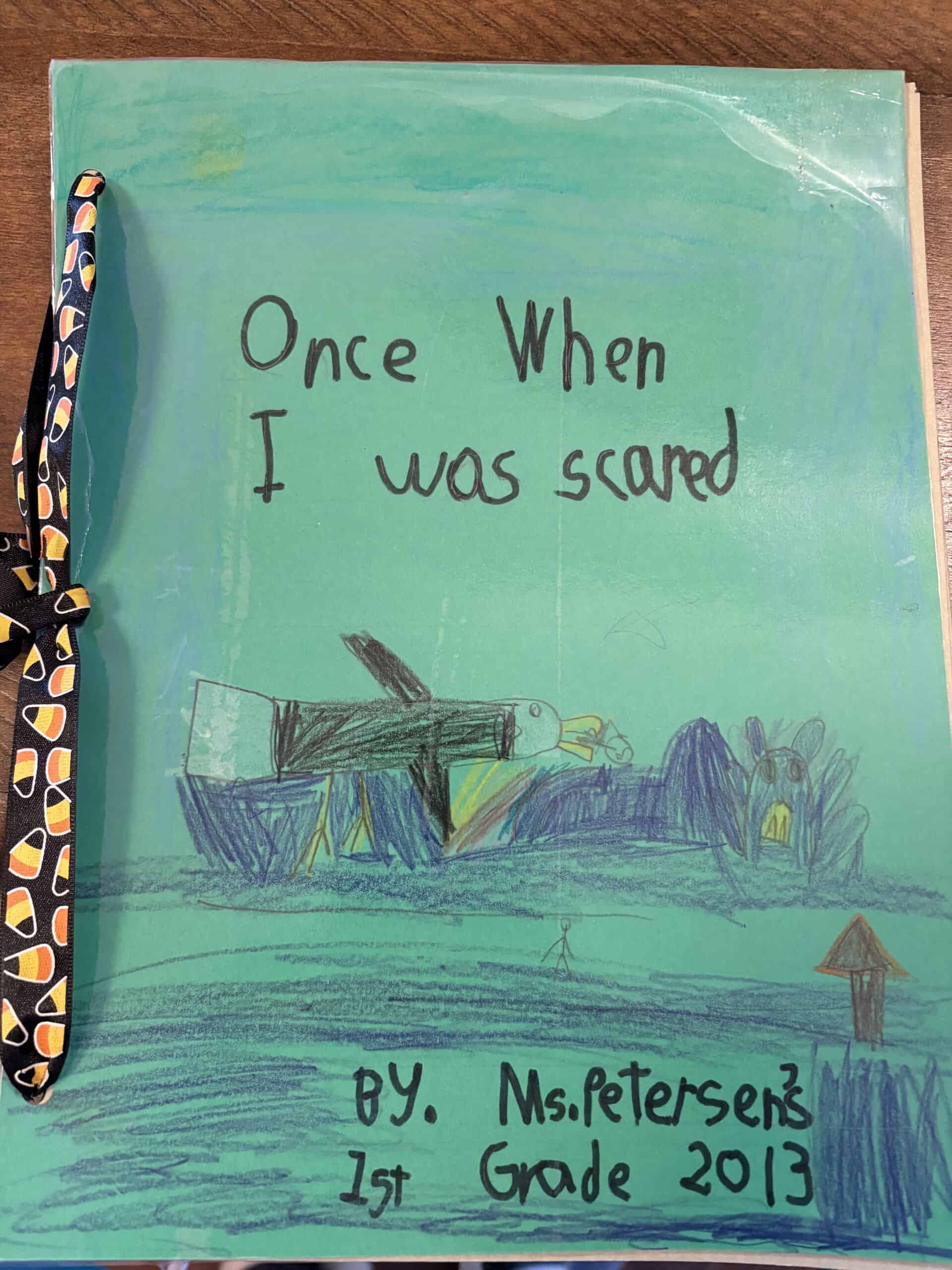
When I was a classroom teacher, October was always my favorite month of the school year. I had forgotten that until the other day, when I was cleaning out my 18-year-old son’s bookshelf and came across a class book we made when he was in my first-grade class. The title was Once When I Was Scared, inspired by the beautiful story by Helena Clare Pittman.
Each student had a page to imagine what animal they would turn into to help them feel brave. I did this project for many years — it was always a favorite. Creating class books was one activity that always made me feel like I was doing something purposeful. It brought the class together in such a joyful way, and the finished books became treasures we proudly shared. Each week, a different student took the book home to read with their family. Those moments — calm, connected, and full of imagination — were magic.
Understanding Behavior
Are teachers still getting the chance to do projects like this? It saddens me to think that the pressures of today’s classrooms might crowd out those creative, heart-centered experiences that help children — and teachers — remember why learning can be joyful.
And yet, it’s exactly this kind of connection that today’s brain science tells us children need most. When we create calm, engaging, and emotionally safe spaces, we’re not just managing behavior — we’re teaching regulation, creativity, and confidence.
That was the heart of our recent FocusedKids webinar, Stop Managing Behaviors and Start Teaching. The message was simple but powerful: behavior isn’t something to control, it’s something to understand. Behind every outburst or shutdown is a nervous system doing its best to feel safe. When we respond with curiosity instead of correction, we shift from managing to teaching — and the classroom transforms into a place of growth, trust, and learning.
When a child’s behavior challenges us, it’s often because their nervous system is dysregulated. The part of the brain that helps with reasoning and self-control — the prefrontal cortex — goes “offline” when stress takes over. In that moment, the child isn’t choosing to misbehave; their brain is doing exactly what it’s wired to do under stress: seek safety. That’s why traditional responses so often fail — the child’s “thinking brain” simply isn’t available for learning yet.
Instead of asking, “How do I stop this behavior?” we might ask, “What skill is this child missing, and how can I help them build it?” This small shift changes everything — turning difficult moments into opportunities for growth, connection, and learning.
Curiosity First
Brain-based research reminds us that children’s self-regulation skills grow through experience, not consequence. Just like reading or math, these are skills that must be modeled, practiced, and reinforced over time. When we teach students how their brains work — that their “thinking brain” and “feeling brain” sometimes get out of sync — we help them understand their own behavior with compassion instead of shame.
In the webinar, we talked about replacing control with curiosity. When a student is struggling, instead of reacting, we can pause and wonder: What does this child need to feel safe right now? What can I teach, rather than demand?
Practical strategies might include:
- Co-regulating: Taking a deep breath together or using a calm, steady tone.
- Naming emotions: “It seems like you’re really disappointed the game ended.”
- Predictable routines: Providing structure that helps kids know what to expect.
- Brain tools: Using the 3 key parts of the brain, amygdala (Guard Dog), hippocampus (Ms. Elephante), and prefrontal cortex (Wise Owl) to explain what’s happening inside a student’s brain.
These aren’t just behavior supports — they’re life skills. Each moment of connection becomes a chance to build a child’s confidence, empathy, and ability to self-regulate. Over time, students learn that emotions aren’t something to fear or suppress — they’re signals we can understand and manage together.
Modeling Skills and Building Trust
Research confirms when we steady ourselves before responding — taking a breath, lowering our tone, or simply pausing — we’re not just calming the moment; we’re modeling the very skills we want our students to learn.
That’s why our own self-awareness matters so much. We can’t teach regulation from a place of dysregulation. But we can teach by being human — by noticing when we’re overwhelmed, naming it, and recovering out loud. Saying, “I’m feeling frustrated too. Let’s take a breath together,” gives children permission to do the same.
This kind of authenticity builds trust. It shows students that emotions aren’t something to hide or fear — they’re part of being human. When we practice regulation alongside them, we create a classroom culture rooted in safety, connection, and mutual respect.
Doing Differently
Shifting from managing to teaching behavior isn’t about doing more — it’s about doing differently. It’s about seeing children through the lens of the brain. When classrooms become places of safety, curiosity, and emotional learning, real teaching can happen.
Over the course of the next month, I encourage you to practice these skills. When a student’s behavior challenges you, take a breath before responding. Ask yourself, “What might this behavior be telling me?” or “What skill can I teach right now?” Notice what happens — not just in the student, but in yourself.
These small moments of curiosity, calm, and connection add up. They remind us that teaching is not only about content — it’s about helping children feel safe enough to learn. When we approach our classrooms with that understanding, we’re not just managing behaviors — we’re shaping resilient, emotionally aware humans who know how to find their calm, too.
Time for Play
And my final piece of advice this month: find moments for play and magic to unfold in your classroom. Whether it’s through a writing project, a creative routine, or a classroom tradition you’ve forgotten about, bring a bit of joy and wonder back into the day. Those are the moments that build safety and connection — not just for your students, but for you.
When we make space for play, creativity, and connection, we remind ourselves why we fell in love with teaching in the first place. It’s in those simple, joyful moments that regulation, learning, and true belonging take root.
About the Author
Amanda Petersen
Amanda is the Executive Director of FocusedKids. As a licensed professional counselor, parent, and former teacher, she has a wealth of experience and knowledge that she is able to rely on in guiding the organization.