

My son was born the same year the iPhone emerged onto the scene of family interference – 2007! Almost 20 years later, screens are a common part of childhood at home, at school, and almost everywhere in between.
For parents, this can feel confusing. We are encouraged to set healthy limits at home while our children may also spend significant parts of their school day on Chromebooks and tablets.
The conversation around screen time is changing. It isn’t black and white, and it certainly isn’t one-size-fits-all. Instead of giving parents another reason to feel guilty, I think we need to ask more thoughtful questions. Questions that families can adapt to their own values, children, and circumstances.
For example, What might the screen be replacing?
I remember thinking about this when my son was a toddler. If I let him watch a show, what wasn’t he doing during that time? Maybe cutting and gluing, stacking blocks, or pushing toy cars across the floor. Screen time wasn’t necessarily bad. I just wanted to make sure the trade-off was worth it.
Children still need real-life practice
Children need opportunities to experience life in the real world with other people, with their bodies, and with all the unpredictability that comes with being human.
These everyday experiences help build the developing brain.
Children develop important skills by actually practicing them:
- Focus grows by practicing attention.
- Patience grows by waiting.
- Problem solving grows by working things out.
- Empathy grows by noticing faces, voices, and feelings.
- Regulation grows through connection with calm, caring adults.
Across our early childhood community, we are hearing from parents and educators who are concerned about children’s focus, impulse control, frustration tolerance, friendships, and problem-solving skills.
Technology is only one piece of a much bigger picture. But it is worth asking whether screens are sometimes replacing opportunities children need to practice these skills.
Screens can absolutely support learning and connection. What they cannot fully replace are authentic experiences with real people in the real world.
Our kids still need plenty of IRL—In Real Life.
Connection is key
Children need our eyes, our voices, our attention, and our presence.
Before children learn to regulate themselves independently, they learn through co-regulation with us. They watch what we do when we’re frustrated. They notice how we respond to mistakes. They learn from the way we handle stress and conflict.
Sometimes one of the most powerful things we can do is simply put down our phone, look at our child, and say:
“I want to hear what you have to say.”
Those small moments matter.
The Role of FocusedKids
At FocusedKids, we help children build the real-world skills they need in an increasingly digital world.
Children learn how their brains work, recognize when their Guard Dog is activated, and practice simple strategies for breathing, moving, pausing, and bringing their attention back.
Just as importantly, we give children and the grown-ups in their lives permission to be human: to make mistakes, understand what is happening in their brain, regulate, reconnect, and try again.
A different question about screen time
You don’t need perfect screen rules.
Instead, when screens seem to be taking up a lot of space in your child’s day, pause and ask:
What might my child need more of right now?
More movement?
More time outside?
More sleep?
More imaginative play?
More time with other kids?
More time with you?
Sometimes the healthiest screen-time decision isn’t simply about taking something away. It’s about deciding what we want to put back in its place.
Our goal isn’t to raise children without technology. It is to help children grow up able to use technology without losing the experiences that teach them to focus, regulate, connect, problem-solve, and thrive.
Resources:
- Your Phone Doesn’t Need You. They Do: Heads Up Parenting Community Forum
- Article: Focus Interrupted: How Technology is Shrinking Our Attention Spans
- Article: Managing Kids and Their Devices: A Neurodevelopmental Perspective
About the Author
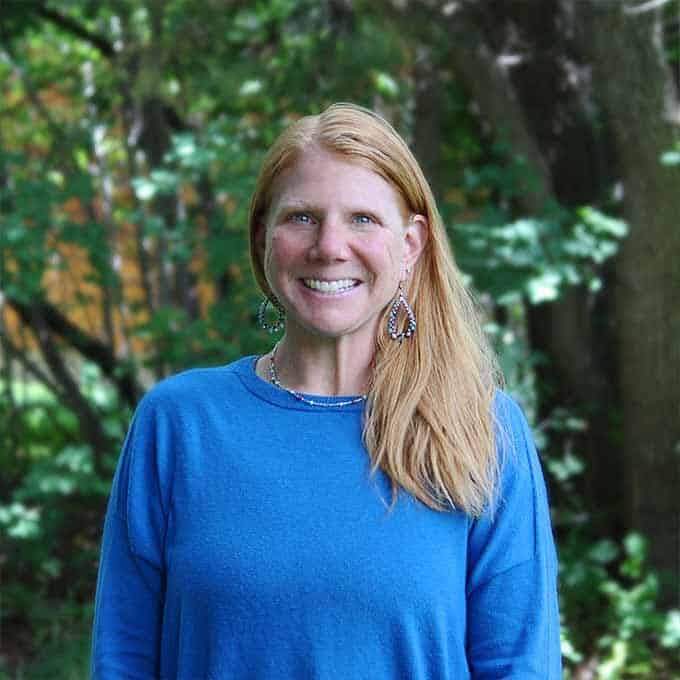
Amanda Petersen
Amanda is the Executive Director of FocusedKids. As a licensed professional counselor, parent, and former teacher, she has a wealth of experience and knowledge that she is able to rely on in guiding the organization.